History of Bannu
Bannu is one of the oldest continuously inhabited regions of Pakistan, with a history spanning over 3,000 years from ancient civilizations like Akra to modern times.
Ancient Times
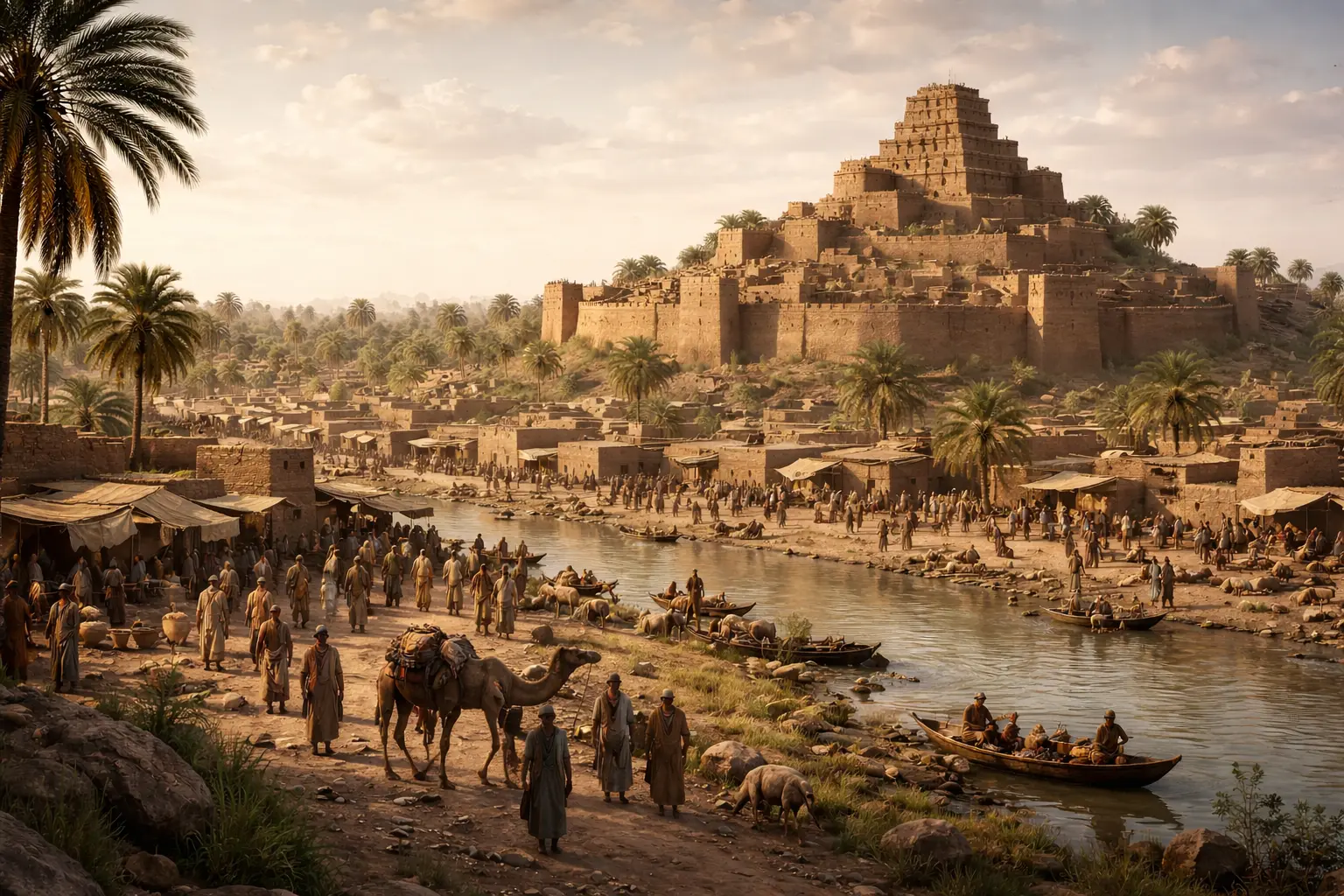
The history of Bannu is not just a local chronicle; it is a gateway to the ancient world. Archaeological findings suggest that this area has been a sanctuary for human settlement for over 3,000 years, making it one of the oldest continuously inhabited regions in Pakistan.
Akra: The Lost Metropolis
Historical Significance
Dating back to approximately 1000 BCE, Akra was a thriving urban center long before many modern civilizations were born.
A Link to the Past
Excavations have revealed ancient pottery, coins, and artifacts that link the region to the Indus Valley and Gandhara civilizations. It served as a vital trade and strategic hub for caravans traveling between Central Asia and the Indian Subcontinent.
Etymology and Historical Names
Bannu's identity has evolved through various names recorded by world travelers and historians.
Bannah / Ban-na
The famous 7th-century Chinese monk and traveler Xuanzang (Hiuen Tsang) visited the region and described it as "Bannah" in his travelogues, noting its fertile land and brave inhabitants.
The Ancient Roots
Some historians trace the name to ancient Sanskrit texts, while others believe it evolved from the tribal lineages that settled in the Bannu. Regardless of the spelling — be it Bannah, Bunnoo, or Bannu — the name has always stood for a lush, green gateway protected by rugged mountains.
A Land of Legends
From the marches of Alexander the Great to the expeditions of the Ghaznavids and Mughals, Bannu has been a strategic prize for every major empire in history. The soil here is a blend of warrior spirit and agricultural abundance, a unique combination that has defined its character for millennia.
Medieval Period
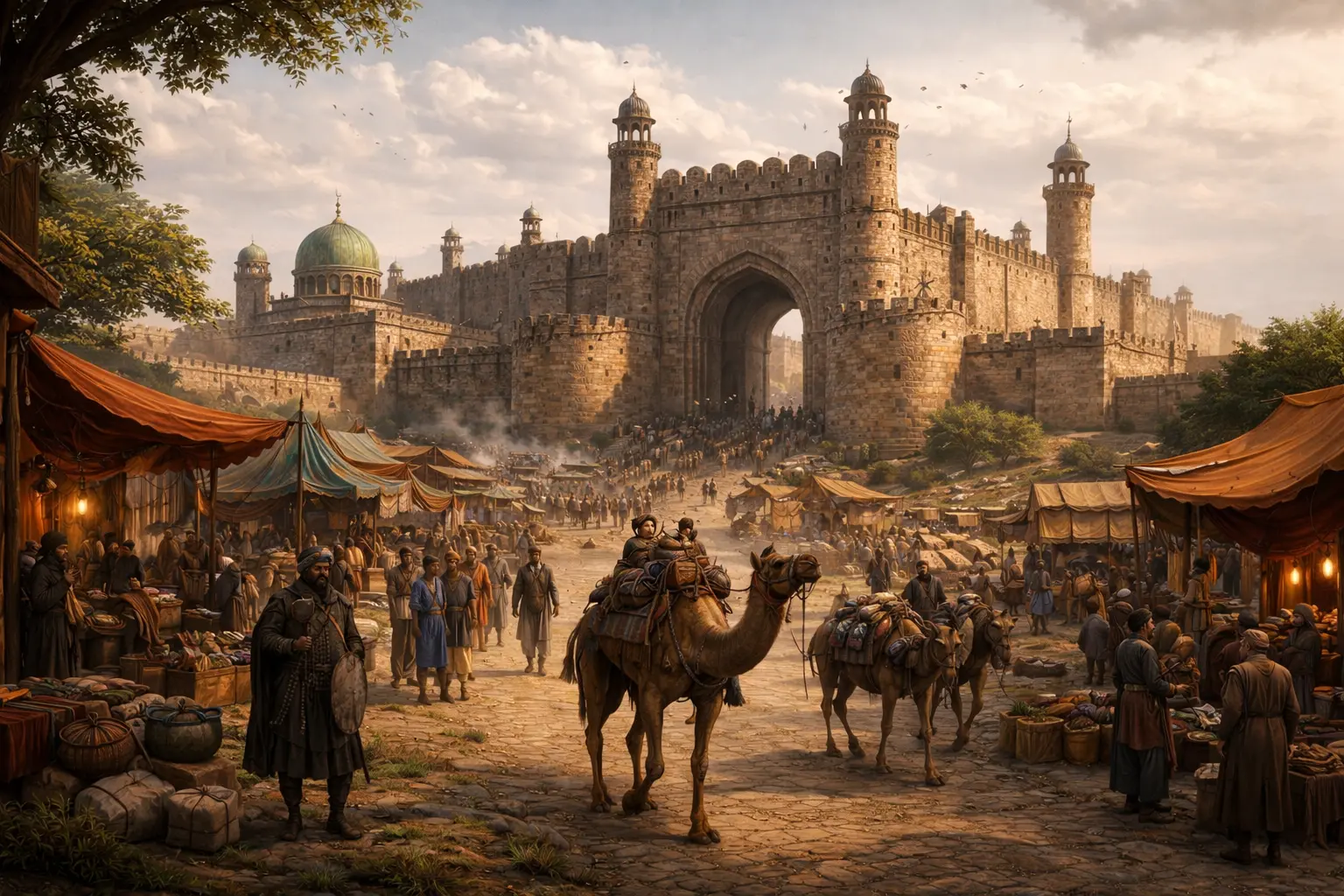
During the medieval period (roughly 1000 CE to 1800 CE), Bannu transformed from a frontier outpost into a vital strategic corridor for Islamic conquerors and a permanent home for the Pashtun tribes.
The Islamic Conquests & The Ghaznavids
At the dawn of the 11th century, the region came under the influence of Sultan Mahmud of Ghazni. As he marched toward the plains of India, the Bannu served as a crucial transit point for his armies. It was during this time that the influence of the previous Hindu-Shahi and Buddhist eras began to fade, replaced by Islamic culture and governance.
The Arrival of the Bannuchi Tribes
The most significant event in medieval Bannu was the migration of the Bannuzai (Bannuchi) tribe.
Migration from Shawal
Around the 14th or 15th century, the Bannuchis migrated from the Shawal mountains.
Settlement
Led by their spiritual and tribal leaders, they displaced the existing inhabitants (the Mangals and Honis) and established the agricultural irrigation system that still feeds the land today.
Mughal and Durrani Influence
Bannu's strategic importance made it a mandatory stop for emperors.
The Baburnama
In 1505, the first Mughal Emperor Babur marched through the Bannu. In his memoirs, he describes the region's fertility and the resistance of the local tribes.
The Durrani Empire
By the mid-18th century, Bannu became part of the Durrani Empire under Ahmad Shah Abdali. Bannu provided revenue and soldiers to the Afghan crown, though the tribes maintained a high degree of internal autonomy.
British Colonial Era
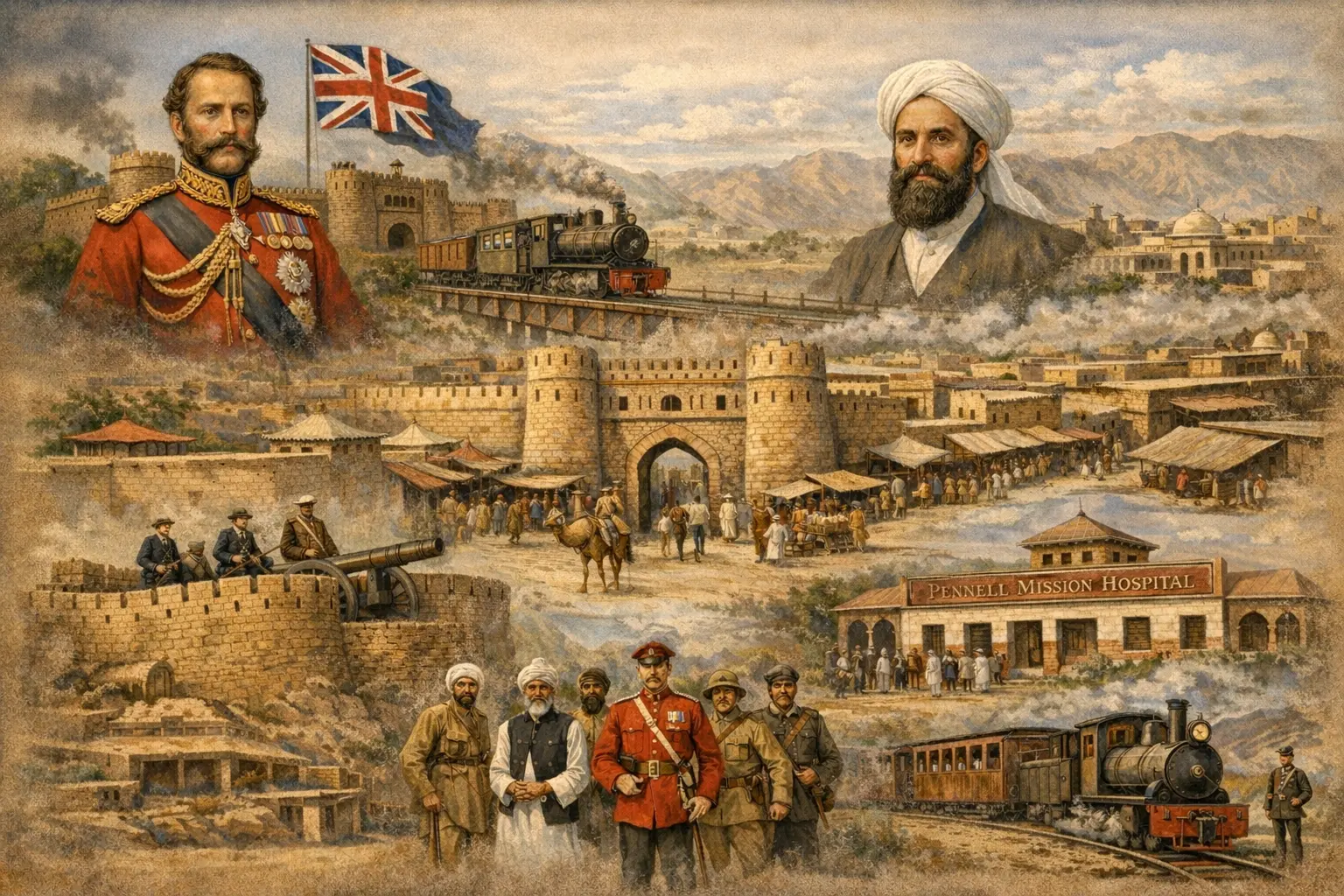
The 19th century brought a radical transformation to the valley. Following the Second Anglo-Sikh War in 1849, the British Empire annexed the Punjab, including Bannu. The region was viewed as a critical "Frontier District," essential for the defense of British India against tribal incursions and the "Great Game" involving Russia.
The Foundation by Herbert Edwardes
The modern city was founded in 1848 by Lieutenant (later Sir) Herbert Edwardes. Before his arrival, the valley consisted of hundreds of scattered, fortified villages (Kots).
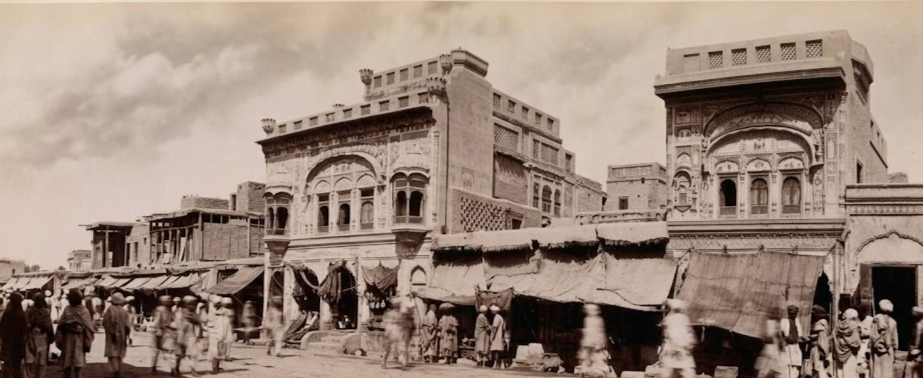
The Walled City
Edwardes consolidated the administration by building a new, centrally planned town. It was originally named Edwardesabad in his honor.
The Ten Gates
The city was famously enclosed by a thick wall with ten gates (such as Lakki Gate, Kasayee Gate, and Hinjal Gate), some of which still serve as major landmarks today.
Fort Dhulipgarh
To maintain military control, Edwardes built a massive fort named Dhulipgarh (in honor of the young Sikh Maharaja Duleep Singh), which later became the heart of the Bannu Cantonment.
Modernization and Institutions
The British era introduced infrastructure that shaped the city's intellectual and physical landscape.
Education & Healthcare
The arrival of Dr. Theodore Pennell in the late 19th century led to the establishment of the famous Pennell High School and a mission hospital, making Bannu a hub for learning and medicine in the frontier.
The Narrow-Gauge Railway
The British connected Bannu to the rest of India via a strategic narrow-gauge railway line from Kalabagh (Mari-Indus), primarily to transport troops and supplies to the frontier.
Strategic Frontier Role
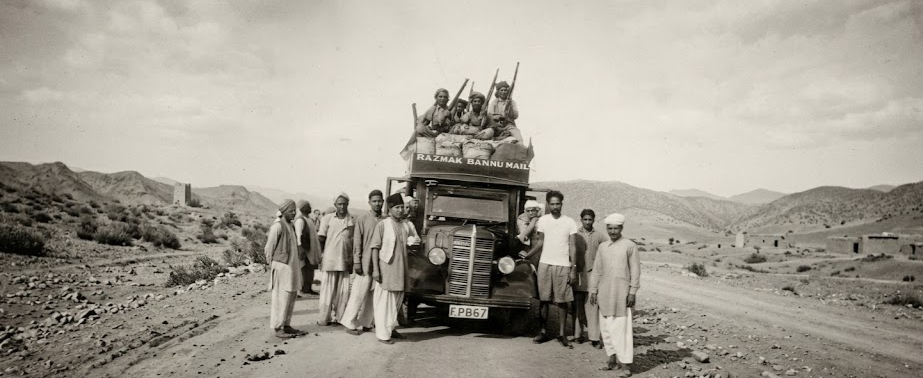
Bannu served as the base of operations for the Waziristan Campaigns. The Cantonment was designed with wide boulevards and colonial-style bungalows, creating a sharp contrast with the dense, traditional architecture of the "Old City."
Post-Independence Era: Growth & Resilience
With the birth of Pakistan in 1947, Bannu entered a new chapter as a vital part of the North-West Frontier Province (now Khyber Pakhtunkhwa). The city transitioned from a military-centric British town to a center of civic life, education, and regional commerce.
Infrastructure and The Green Revolution
Post-1947, the government focused on the agricultural potential of the Kurram and Gambila rivers.
The Kurram Garhi Project
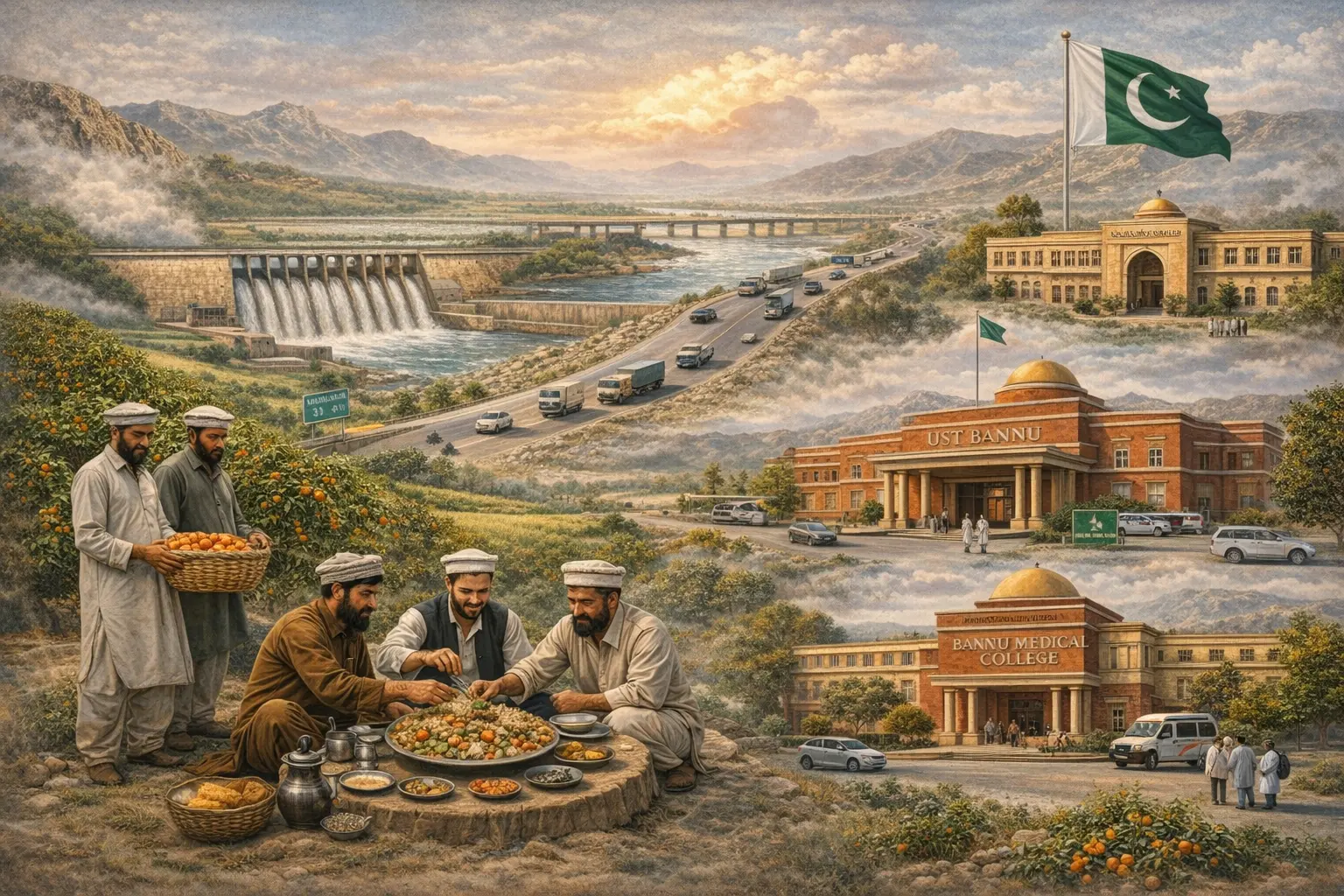
One of the most significant early developments was the construction of the Baran Dam in the 1950s. This project revolutionized local farming, turning the surrounding arid lands into the lush, fertile orchards for which Bannu is famous today.
Connectivity
The city evolved into a major transit point. As the "Gateway to Waziristan," the development of the Indus Highway and local road networks cemented its status as a vital trade link between the southern districts and the rest of the country.
The Educational Revolution
Bannu has emerged as an intellectual powerhouse in the province.
UST Bannu & Medical Education
The establishment of the University of Science and Technology (UST) Bannu in 2005 and the Bannu Medical College marked a turning point, providing world-class education to the youth of the southern districts.
Legacy Schools
Institutions like Government Post Graduate College Bannu (established in 1951) have produced generations of scholars, bureaucrats, and leaders.
Cultural Preservation & Modern Identity
Despite rapid urbanization, the soul of Bannu remains deeply rooted in Pashtunwali (the Pashtun code of conduct).
Bannuchi Hospitality
The city is celebrated for its unique traditions, such as the famous Bannu Pulao and Painda, which have become culinary symbols of the region across Pakistan.
Resilience
Throughout the turbulent decades of the early 21st century, the people of Bannu showed immense resilience, serving as a sanctuary and a support system for the surrounding tribal regions during times of displacement and conflict.
Historical Sites
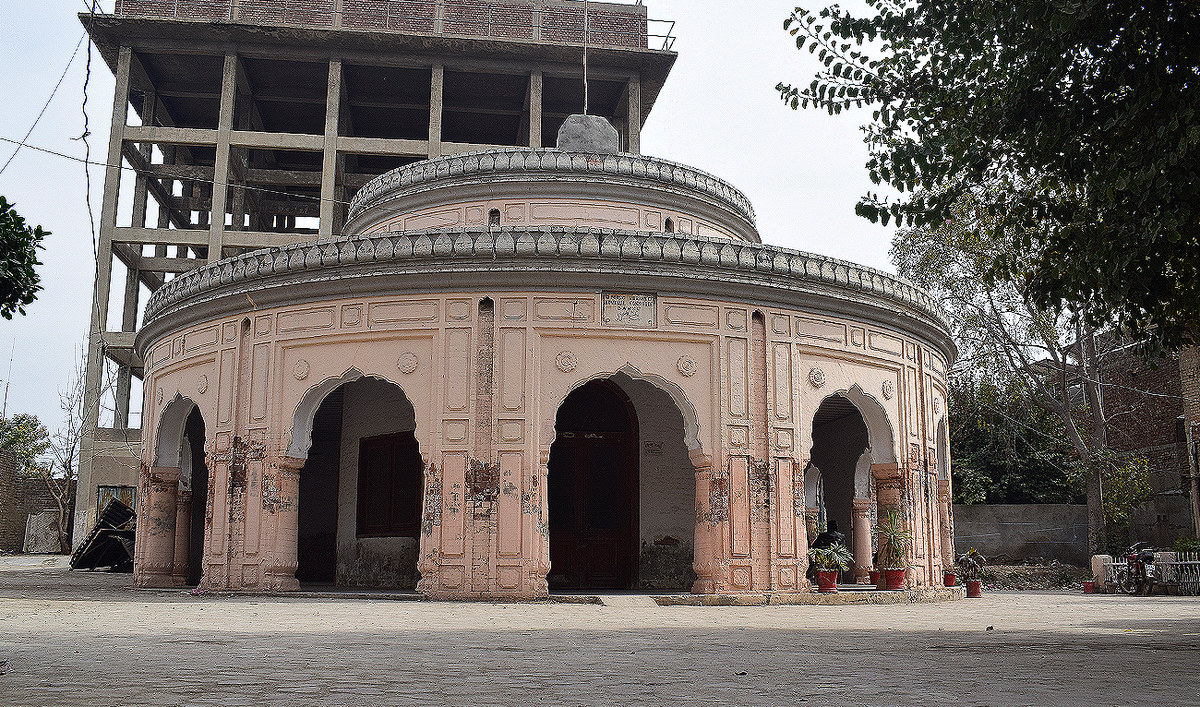
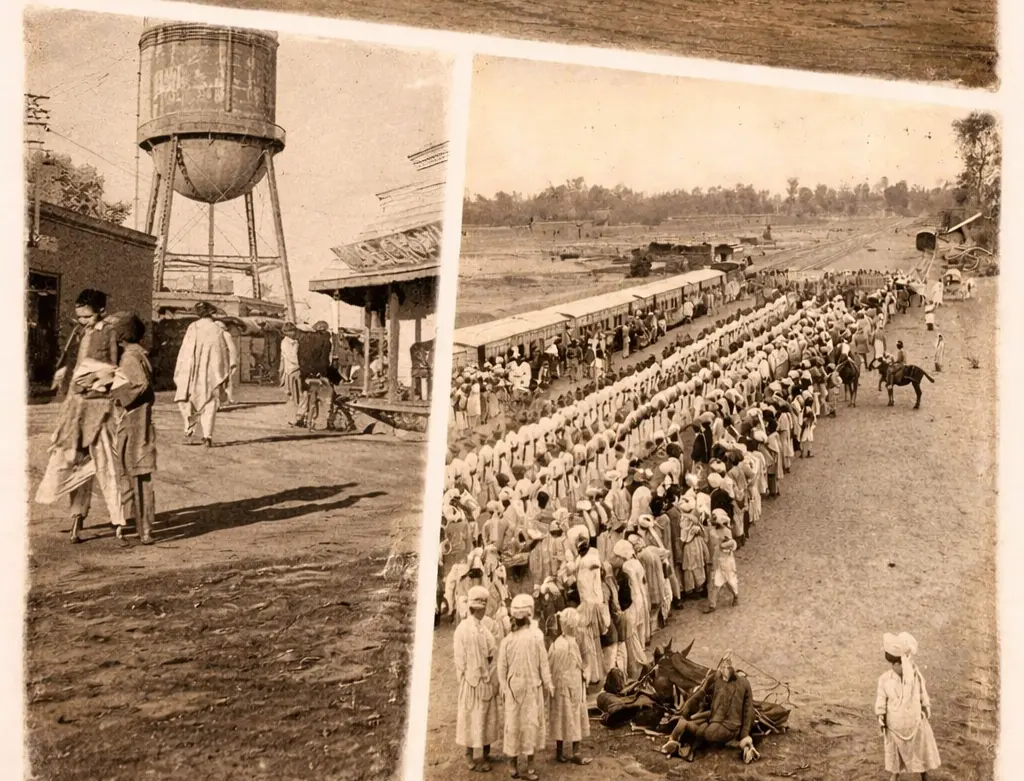
The historic old city area preserves traditional architecture and urban planning from centuries past.
Explore